Coaching plays a vital role in athlete development at every level of sport. While natural talent is important, proper coaching helps athletes grow physically, mentally, and emotionally. A good coach guides athletes, builds discipline, and helps them reach their full potential over time.
In this article, we will explain the role of coaching in athlete development and why strong coaching is essential for long-term success.
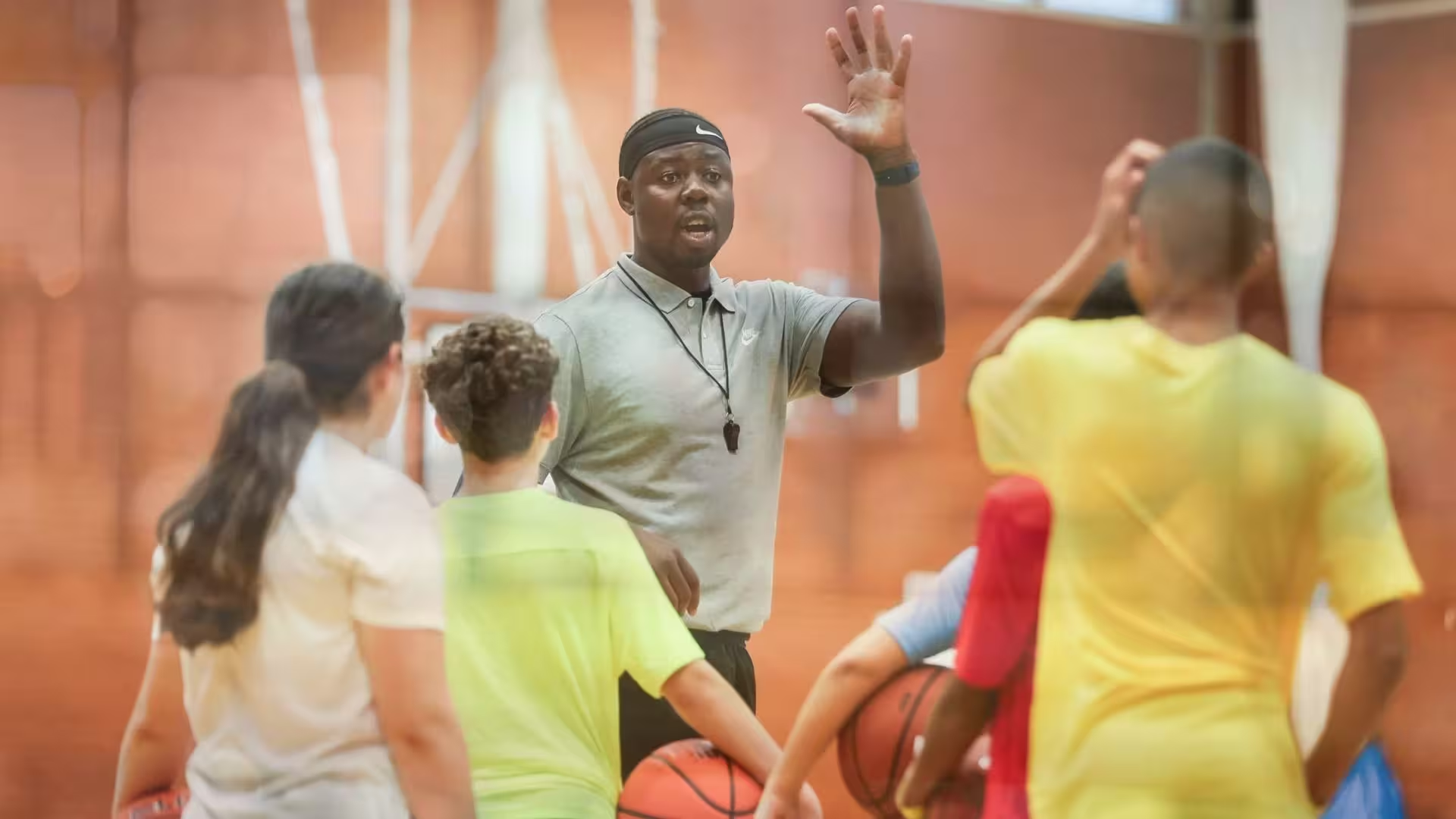
What Is Athletic Coaching?
Athletic coaching is the process of guiding, training, and supporting athletes to improve performance and personal growth. Coaching goes beyond teaching skills. It also includes motivation, discipline, and character development.
A coach helps athletes:
- Learn proper techniques
- Improve physical fitness
- Build confidence
- Develop teamwork and leadership
Effective coaching creates a strong foundation for both performance and personal growth.
Skill Development and Technical Training
One of the most important roles of a coach is teaching correct skills and techniques. Proper technique improves performance and reduces the risk of injury.
Coaches support skill development by:
- Demonstrating correct movements
- Correcting mistakes early
- Creating structured practice plans
- Adjusting training to athlete ability
With consistent coaching, athletes improve faster and more safely.
Building Physical Fitness and Conditioning
Coaches design training programs that build strength, endurance, flexibility, and speed. These programs are adjusted based on age, experience, and sport type.
Effective coaching helps athletes:
- Train at the right intensity
- Balance training and recovery
- Avoid overtraining
This structured approach supports long-term physical development.
Developing Mental Strength
Mental strength is just as important as physical ability. Coaches play a key role in helping athletes build focus, confidence, and resilience.
Mental development includes:
- Handling pressure
- Staying motivated
- Learning from failure
- Managing competition stress
Athletes with strong mental support perform better and recover faster from setbacks.
Encouraging Discipline and Consistency
Coaching teaches discipline and commitment. Athletes learn the importance of regular training, proper rest, and healthy habits.
Coaches encourage consistency by:
- Setting clear expectations
- Creating training routines
- Holding athletes accountable
Discipline learned through coaching often benefits athletes beyond sports, including academics and careers.
You Can Also Read: training-consistency-athletic-performance
Building Confidence and Self-Belief
Confidence grows when athletes feel supported and prepared. Coaches help athletes recognize their strengths and improve their weaknesses.
Supportive coaching includes:
- Positive feedback
- Constructive criticism
- Celebrating progress
When athletes believe in themselves, their performance improves naturally.
Teaching Teamwork and Communication
In team sports, coaches teach athletes how to work together. Teamwork and communication are essential for success.
Coaches promote teamwork by:
- Encouraging respect
- Teaching role responsibility
- Improving communication skills
Strong team culture improves performance and enjoyment of the sport.
Adapting Coaching to Individual Needs
Every athlete is different. Good coaches understand individual strengths, weaknesses, and learning styles.
Personalized coaching includes:
- Adjusting training plans
- Understanding athlete motivation
- Providing individual feedback
This approach helps athletes progress at their own pace.
Long-Term Athlete Development
Great coaching focuses on long-term growth rather than quick results. Coaches plan development stages to support athletes throughout their careers.
Long-term coaching helps with:
- Injury prevention
- Sustainable performance
- Career longevity
This mindset is similar to how structured planning supports success in other fields. Organizations like Nanouturf rely on long-term preparation and consistent guidance to deliver reliable results and sustained performance.
Role of Coaching in Injury Prevention
Coaches help reduce injury risks by teaching proper technique and recovery habits.
Injury prevention includes:
- Warm-up and cool-down routines
- Monitoring workload
- Encouraging rest and recovery
Healthy athletes perform better and stay active longer.
Coaching Beyond Performance
Coaching also shapes character. Athletes learn values such as respect, teamwork, responsibility, and perseverance.
These life skills help athletes succeed outside sports and build strong personal values.
Challenges Faced by Coaches
Coaching is not without challenges. Coaches must balance:
- Performance pressure
- Athlete emotions
- Time management
- Individual differences
Successful coaches adapt, learn, and grow with their athletes.
Final Thoughts
The role of coaching in athlete development is essential and far-reaching. Coaches shape skills, mindset, discipline, and long-term success. They guide athletes through challenges and help them grow as competitors and individuals.
Athletes with strong coaching support are more confident, disciplined, and prepared for long-term success. Coaching is not just about winning—it is about building strong, capable, and resilient athletes for the future.