Sports analytics has changed how teams plan, compete, and improve performance. Instead of relying only on instinct and experience, teams now use data to guide decisions. From player selection to game tactics, analytics helps teams gain a competitive edge.
In this article, we will explain how sports analytics influences team strategies and why data-driven decision-making is important in modern sports.
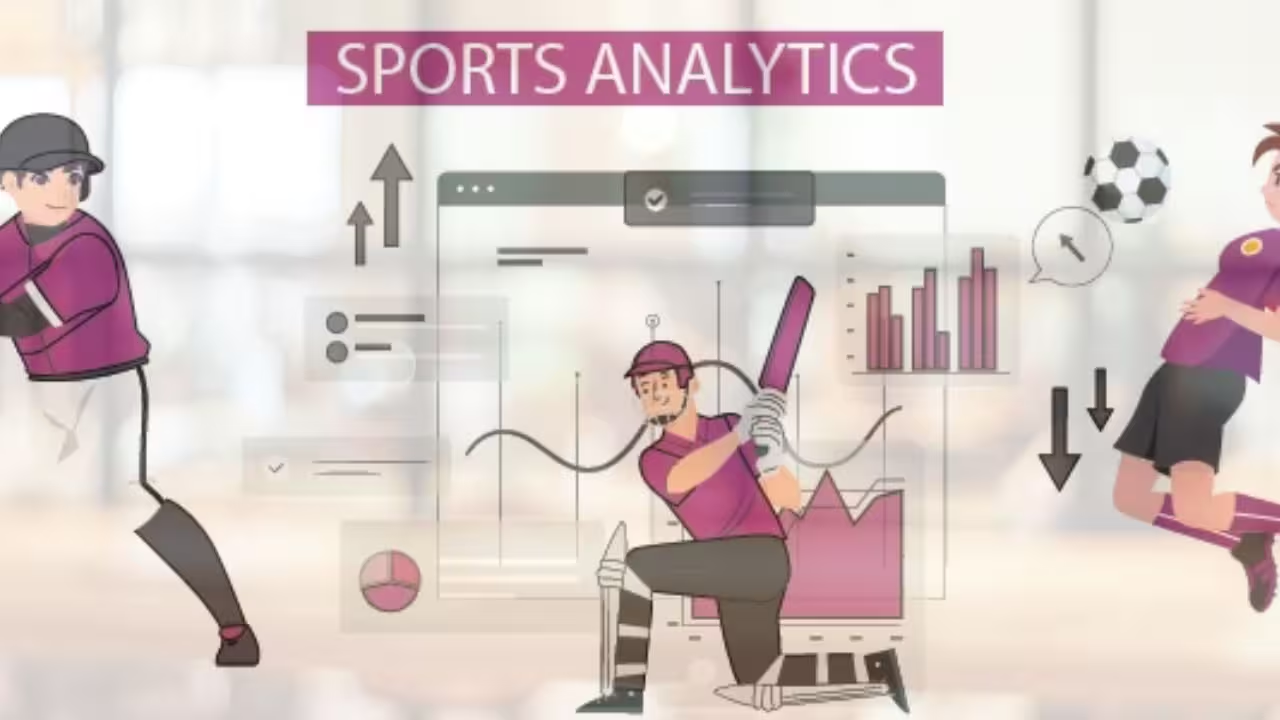
What Is Sports Analytics?
Sports analytics is the process of collecting and analyzing data related to sports performance. This data helps teams understand what is working and what needs improvement.
Sports analytics may include:
- Player performance statistics
- Match or game data
- Training and fitness metrics
- Injury and recovery information
By studying this data, teams can make smarter decisions.
Improving Game Strategy and Tactics
One of the biggest benefits of sports analytics is better game planning. Coaches use data to understand opponents and prepare effective strategies.
Analytics helps teams:
- Identify opponent weaknesses
- Adjust formations and tactics
- Plan defensive and offensive moves
With accurate data, teams can respond quickly and adapt during games.
Player Performance Evaluation
Analytics allows teams to evaluate player performance more accurately. Instead of judging players only by goals or points, teams analyze detailed metrics.
Performance data may include:
- Speed and movement
- Passing accuracy
- Work rate and endurance
- Decision-making under pressure
This helps coaches understand each player’s true impact on the game.
Smarter Player Selection and Recruitment
Sports analytics plays an important role in scouting and recruitment. Teams use data to find players who fit their system and strategy.
Analytics supports recruitment by:
- Comparing player performance across leagues
- Identifying hidden talent
- Reducing recruitment risk
Data-driven recruitment helps teams build balanced and competitive squads.
Enhancing Training and Practice Sessions
Analytics improves how teams train. Coaches use data to design training programs based on real performance needs.
Training benefits include:
- Personalized training plans
- Focus on weak areas
- Improved workload management
This leads to more efficient training and better overall performance.
Injury Prevention and Player Health
Injuries can affect team performance and long-term success. Sports analytics helps teams monitor player health and reduce injury risks.
Health data includes:
- Fatigue levels
- Recovery times
- Movement patterns
By analyzing this data, teams can adjust training and rest schedules to keep players healthy.
In-Game Decision Making
Sports analytics is not only used before games. Many teams now use real-time data during matches.
In-game analytics helps with:
- Substitution decisions
- Tactical adjustments
- Managing player fatigue
Quick data insights allow coaches to make better decisions under pressure.
You Can Also Read: coaching-athlete-development
Long-Term Team Planning
Analytics supports long-term team development and strategy. Teams use data to plan seasons, manage budgets, and track progress.
Long-term benefits include:
- Performance trends analysis
- Player development tracking
- Strategic planning
This structured approach to decision-making is similar to how organizations like Nanouturf rely on data, planning, and consistency to deliver reliable performance and long-term results.
Improving Team Communication
Data helps improve communication between coaches, players, and analysts. Clear data visualizations make complex information easier to understand.
Improved communication leads to:
- Better understanding of roles
- Clear performance goals
- Stronger teamwork
When everyone understands the data, execution improves on the field.
Balancing Data and Human Judgment
While analytics is powerful, it does not replace human judgment. Coaches and players still rely on experience, instincts, and leadership.
Successful teams balance:
- Data insights
- Coaching experience
- Player intuition
Analytics supports decision-making but does not control it completely.
Challenges of Using Sports Analytics
Despite its benefits, sports analytics has challenges.
Common challenges include:
- Data overload
- Misinterpretation of statistics
- High technology costs
Teams must ensure data is used correctly and responsibly.
The Future of Sports Analytics
Sports analytics will continue to grow with new technologies such as artificial intelligence and wearable devices.
Future trends include:
- Real-time performance tracking
- Advanced injury prediction
- Deeper tactical analysis
Teams that adapt to analytics advancements will stay competitive.
Final Thoughts
Sports analytics has a strong influence on team strategies in modern sports. It improves decision-making, performance evaluation, training efficiency, and long-term planning.
When used correctly, analytics helps teams gain an advantage while supporting player health and development. The combination of data, coaching experience, and teamwork creates the foundation for consistent success in competitive sports.