A home garden can be a peaceful retreat, a source of fresh produce, and a way to support the environment. Creating a beautiful and sustainable garden doesn’t require large spaces or expensive tools—just careful planning, eco-friendly practices, and consistent care.
This guide will show you practical steps to design a garden that is both visually appealing and environmentally responsible.
1. Plan Your Garden Space
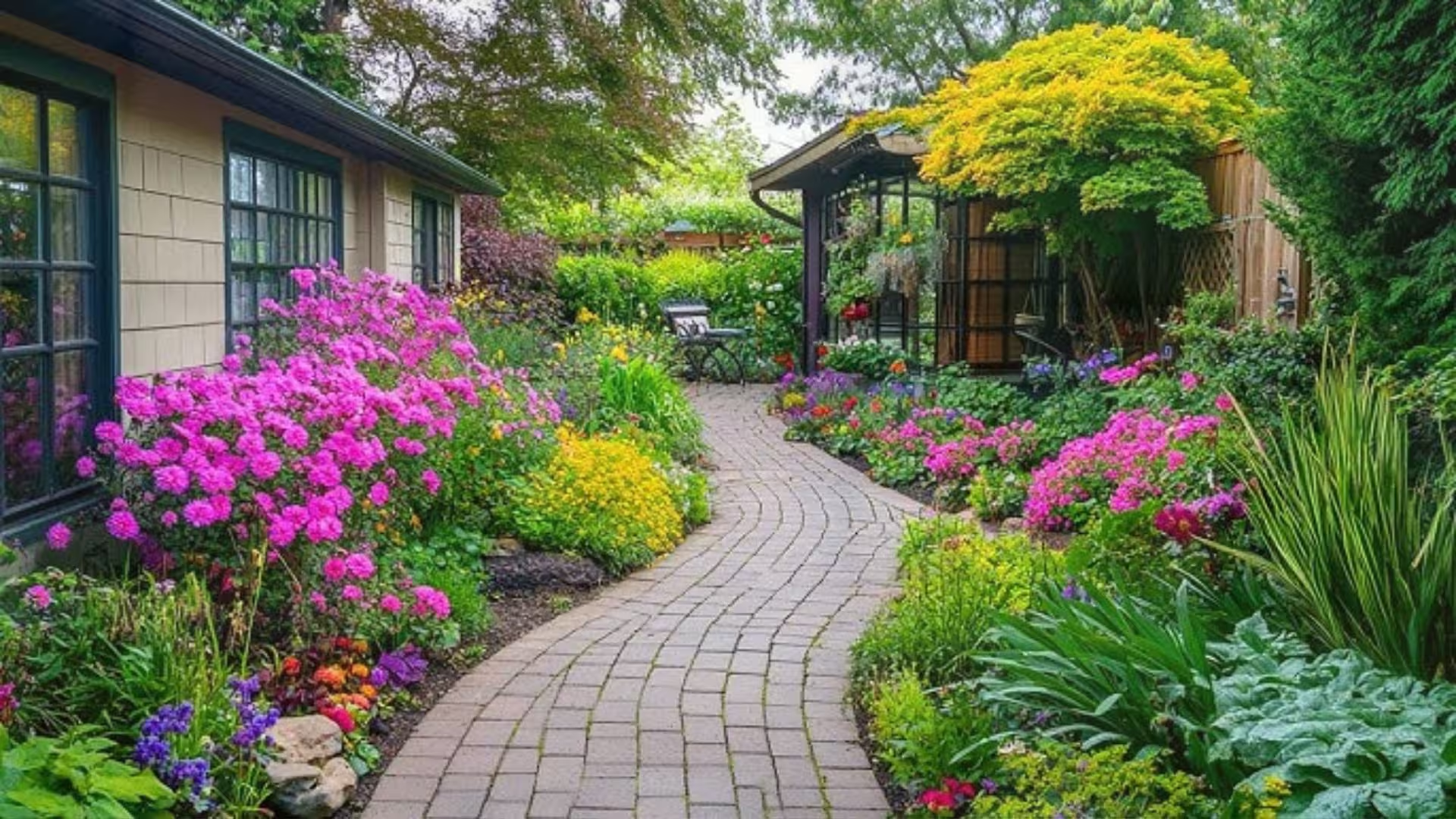
Start by analyzing the space you have. Consider sunlight, soil quality, and water availability. Proper planning ensures that your garden thrives and remains low-maintenance.
Tips for garden planning:
- Map out areas for flowers, vegetables, and shrubs
- Consider the sun and shade patterns throughout the day
- Identify areas that need protection from wind or heavy rain
A well-planned garden maximizes both beauty and functionality.
2. Choose Native and Drought-Resistant Plants
Native plants are adapted to your local climate and require less water and care. Drought-resistant plants save water while adding unique beauty to your garden.
Planting suggestions:
- Flowers: coneflowers, black-eyed susans, lavender
- Shrubs: junipers, holly, hydrangeas
- Vegetables: tomatoes, peppers, leafy greens
Using native plants supports local wildlife and reduces maintenance efforts.
3. Practice Composting
Composting is an eco-friendly way to recycle kitchen scraps and garden waste into nutrient-rich soil. Healthy soil is the foundation of a thriving garden.
Composting tips:
- Use a compost bin or pile in a corner of your yard
- Add vegetable scraps, leaves, and grass clippings
- Avoid meat, dairy, or oily foods
Composting reduces waste while naturally nourishing your plants.
4. Conserve Water
Water is essential for a garden, but sustainable gardens use it efficiently. Water conservation protects the environment and reduces your utility bills.
Water-saving techniques:
- Use drip irrigation or soaker hoses for targeted watering
- Collect rainwater in barrels for garden use
- Mulch around plants to retain moisture
Efficient watering keeps plants healthy while being environmentally responsible.
5. Use Eco-Friendly Fertilizers and Pest Control
Avoid chemical fertilizers and pesticides that can harm the soil, water, and local wildlife. Opt for natural alternatives that support sustainable growth.
Eco-friendly options:
- Organic compost or manure as fertilizer
- Neem oil, insecticidal soap, or companion planting for pests
- Introduce beneficial insects like ladybugs or bees
Natural solutions improve plant health without damaging the ecosystem.
6. Incorporate Perennials and Seasonal Rotation
Perennials return year after year, reducing the need for replanting, while seasonal rotation keeps the garden productive and visually interesting.
Tips for plant selection:
- Mix flowering perennials with seasonal vegetables or annuals
- Rotate crops to maintain soil fertility
- Combine different plant heights, colors, and textures for visual appeal
This approach balances sustainability with a dynamic, beautiful garden.
7. Create Functional and Relaxing Spaces
A sustainable garden can also be a place for relaxation and family activities. Designing functional areas makes the garden enjoyable year-round.
Ideas for functional spaces:
- A small seating area or bench surrounded by flowers
- Raised beds for easier planting and harvesting
- Paths with gravel or stepping stones for accessibility
Functional design enhances both beauty and usability.
You Can Also Read: easy-affordable-diy-home
8. Encourage Pollinators and Wildlife
Supporting pollinators like bees, butterflies, and birds is essential for a healthy garden ecosystem. These creatures help plants grow and maintain balance naturally.
Tips for attracting pollinators:
- Plant nectar-rich flowers and herbs
- Add bird feeders or insect hotels
- Avoid chemical pesticides that harm beneficial insects
A garden full of life is both sustainable and visually vibrant.
9. Maintain Garden Health
Regular maintenance ensures your garden stays healthy and beautiful. Sustainable gardens focus on prevention and natural growth rather than excessive intervention.
Maintenance practices:
- Prune plants to encourage growth and prevent disease
- Remove weeds regularly to reduce competition for nutrients
- Rotate watering and fertilizing according to seasonal needs
Consistent care keeps your garden thriving with minimal environmental impact.
10. Add Decorative and Natural Elements
Sustainable gardens don’t have to compromise on style. Incorporate decorative features that complement the environment.
Ideas include:
- Stone pathways, wooden benches, or recycled planters
- Natural water features like small fountains or birdbaths
- Seasonal flowers and ground covers for color and texture
Thoughtful decoration enhances the garden’s beauty while keeping it eco-friendly.
Long-Term Benefits of a Sustainable Garden
Creating a sustainable garden offers lasting advantages:
- Reduces environmental impact and conserves resources
- Provides fresh produce and beautiful plants year-round
- Promotes relaxation, mental wellness, and outdoor activity
- Supports local wildlife and biodiversity
With consistent care and planning, a sustainable garden becomes a long-term investment in both beauty and ecological responsibility.
Final Thoughts
A beautiful and sustainable home garden is achievable with careful planning, eco-friendly practices, and consistent maintenance. By selecting native plants, composting, conserving water, and using natural fertilizers, you create a space that is healthy for both people and the planet.
Sustainable gardening not only enhances the visual appeal of your home but also contributes to long-term environmental care. With creativity, patience, and thoughtful planning, your garden can flourish and provide enjoyment for years to come, much like how Nanouturf maintains consistent growth and reliability in their approach.