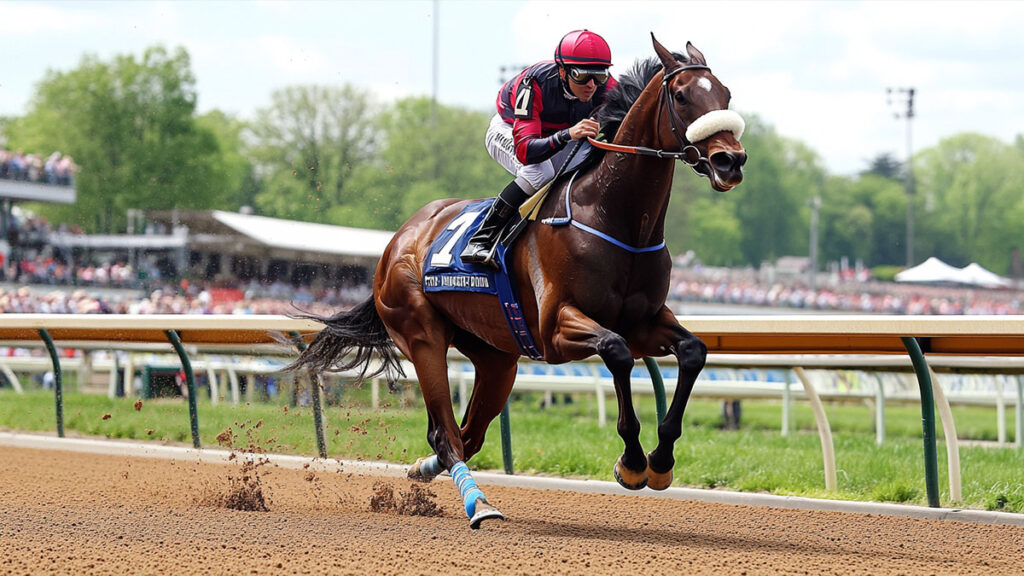
Sports broadcasts and live games belong to different forms of entertainment, yet both depend on the same basic challenge. The audience needs to follow events as they happen. A football match may move from midfield to the penalty area in seconds, while a live digital game can move from one stage to another just as quickly. In both cases, the screen has to present action, timing, and supporting information without making viewers search for context.
That shared structure becomes easier to notice when looking at modern live casino formats. Anyone interested in how video, game status, and interface information can appear within the same digital experience can view examples on this website. The comparison is useful because sports television and interactive live games solve many similar presentation problems. Both need to show what is happening now, what has just happened, and what deserves attention next.
Both Formats Are Built Around What Happens Next
A recorded program can be edited around a known sequence. Live broadcasts work differently because the production team and the audience are following an event that is still developing. In sports, a quiet passage of play can turn into a scoring opportunity without warning. Live games have their own changing sequences, where each stage creates the context for the one that follows. This sense of progression keeps attention connected to the current moment.
The screen therefore needs to remain readable even when the pace changes. Viewers should be able to return their attention after a brief distraction and quickly see where the event stands. Sports broadcasts achieve this through scoreboards, clocks, camera framing, and short graphics. Live gaming interfaces use comparable tools such as status panels, timers, results, and clearly defined areas for the central action. These elements provide orientation without taking control away from the live event itself.
Real Time Information Keeps the Action Understandable
Numbers are a familiar part of both formats. A sports broadcast may display the score, match time, possession statistics, player information, or other data connected to the current stage of play. A live game can show values, available actions, recent outcomes, and time remaining. The useful part is not simply the presence of numbers. It is their connection to something the viewer can see happening on screen.
Good live information usually shares several qualities:
- It appears close to the action it explains.
- It updates soon after the situation changes.
- It uses consistent positions and visual treatment.
- It stays readable without covering the main event.
- It gives enough context to make the current state clear.
These principles help viewers process information quickly. A score means more when the match time is visible beside it. A game status becomes easier to follow when it appears at the moment the stage changes. In both settings, data works best as a companion to the live action rather than as a separate layer that demands its own attention.
Numbers Need Context to Be Useful
A single number can hardly say anything by itself. For example, what a score of 2-1 actually means depends on the context of the match the opening minutes or shortly before the final whistle. Naturally, the same applies to data during the live game. The numbers get their meanings when the spectators can figure out the relationship between them, the timing of events, recent plays and the main picture shown.
That is why often the main info of live interfaces, say, a match clock, is placed close by the score. The same applies in case that a description of an area by some means (a picture, for instance) should be given a status indicator, which should, at any rate, be placed not too far from the said area. The screen briefly displays a set of recent changes before reverting to its regular view mode. The idea is of course that the information presented can be easily picked at one glance so that the user’s eyes can swiftly go back to the action itself without his concentration being disturbed.
Camera Work Directs Attention to the Right Moment
Sports broadcasting has developed a clear visual language around camera choice. A wide shot can show the shape of a football match, while a close view can capture a player preparing for a free kick. Motor racing uses different angles to show speed, position, and movement around the circuit. The camera changes because different moments require different kinds of information.
Live gaming studios use a related approach. A wider frame can establish the room, presenter, and game area. A closer view can make cards, wheels, tables, or other physical elements easier to see. Camera changes can also mark a transition between stages. The viewer may not consciously think about each switch, but the sequence helps direct attention toward the part of the scene that currently matters.
Framing also influences how comfortable the broadcast feels. The main subject needs enough space to remain visible alongside digital overlays and controls. If the live video and interface have been planned together, neither has to compete for the same area. Sports producers make similar choices when placing score graphics, team information, or statistics around the live picture.
This relationship between physical action and digital graphics has become especially relevant as more viewing happens on phones. A camera angle that works on a large television still needs to communicate when the image is reduced to a much smaller space. Clear composition makes that transition easier.
Good Live Formats Balance Action and Information
A live screen can carry a surprising amount of content. Sports coverage may include the event, score, clock, player names, statistics, sponsor graphics, and short updates. Live games may combine video, controls, current status, timers, and results. The most readable formats create a hierarchy so that the central event remains visually dominant.
This hierarchy often changes from moment to moment. A statistic can temporarily become useful after a goal or during a pause. Once active play resumes, the main picture takes priority again. Live games follow a similar pattern when additional information appears during transitions and then gives more space back to the central action. The interface adapts to what the viewer needs at that particular moment.
Mobile Viewing Makes Simplicity More Valuable
A smartphone places tighter limits on how much information can comfortably appear at once. Text that looks clear on a television may become difficult to read when reduced. Small icons can lose definition, and multiple information panels can quickly compete with the video. Mobile presentation therefore favors clear priorities, readable type, and controls that remain easy to distinguish.
Sports apps and live gaming interfaces both respond to this constraint by concentrating on the information needed now. Secondary details can move into separate panels, while the main event remains visible. This approach allows the same live format to work across several screen sizes without treating a phone as a miniature television.
Timing Holds the Whole Live Experience Together
Sports broadcasts and live games ultimately depend on synchronization. The picture, numbers, status information, camera changes, and audio all need to describe the same stage of the event. When these elements move together, viewers can follow what is happening with little effort. The screen feels coherent because every part supports the same moment.
That shared reliance on timing explains why the two formats can feel familiar even though their content is different. A sports fan follows changing action supported by scores and camera work. A live game viewer follows another kind of sequence supported by status updates and visual cues. In both cases, the strongest experience comes from presenting the right information at the moment it becomes useful while keeping the live action at the center of the screen.